Bridges of Memory: “The Beginning of Ukraine’s Resistance: Defense of Luhansk Airport” Exhibition Opens in Lviv
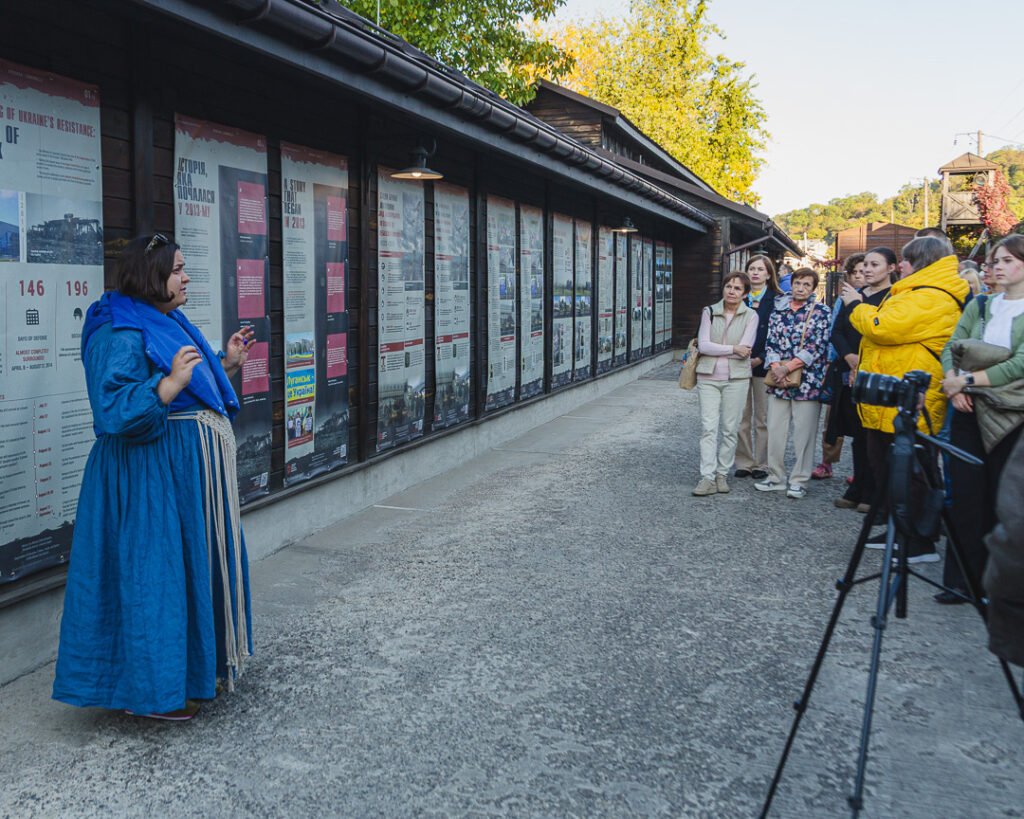
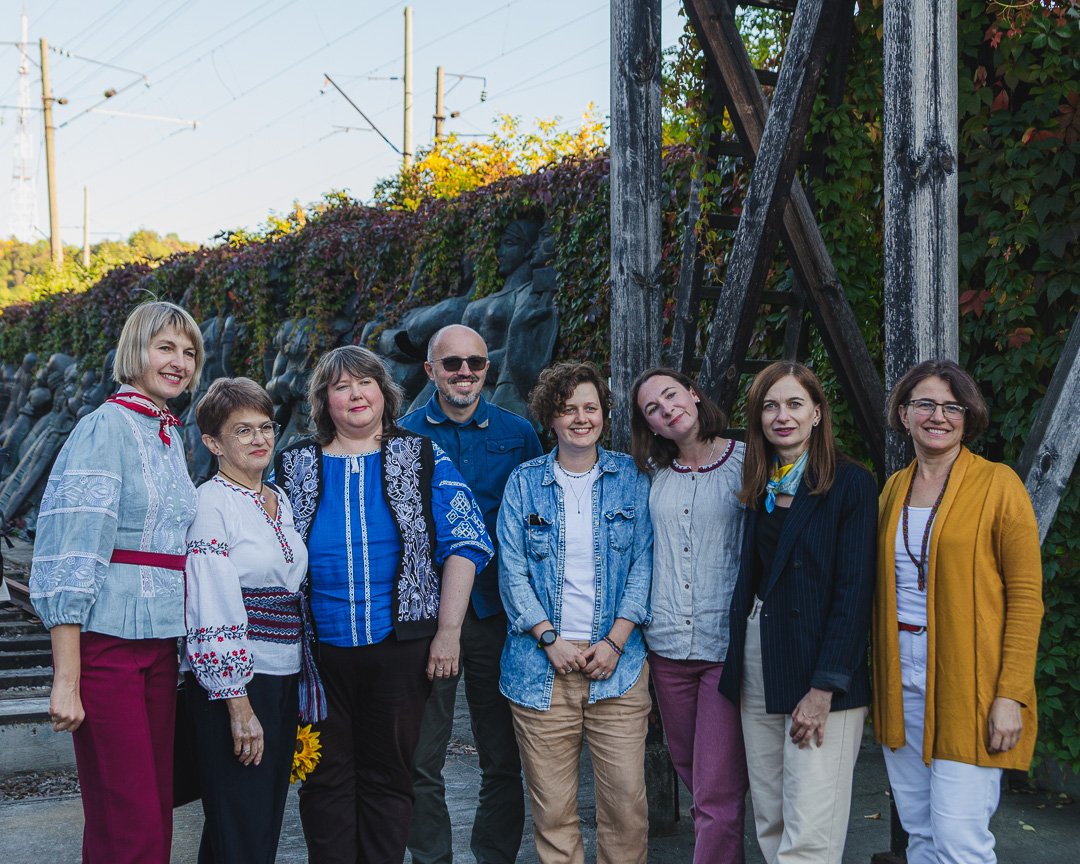
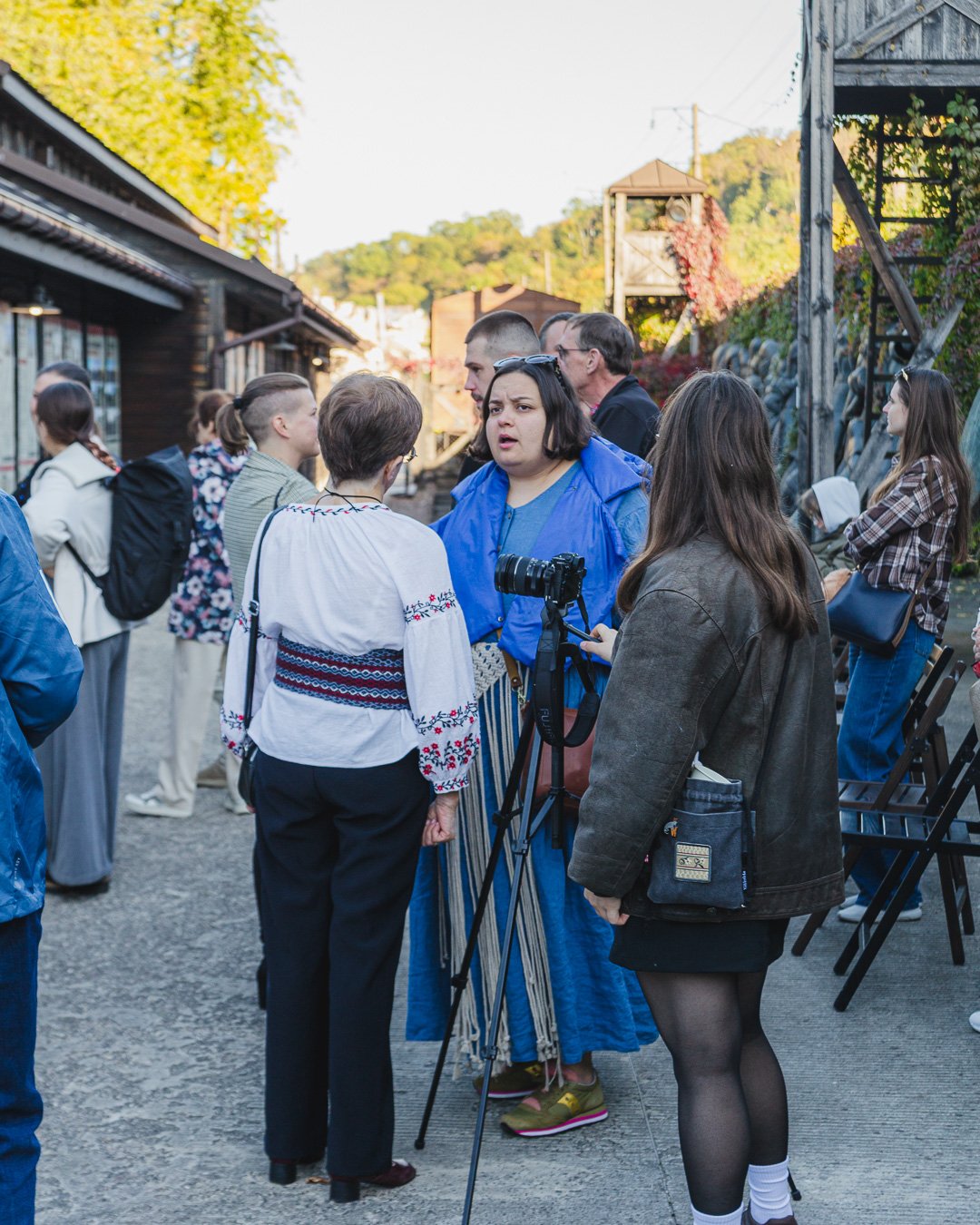
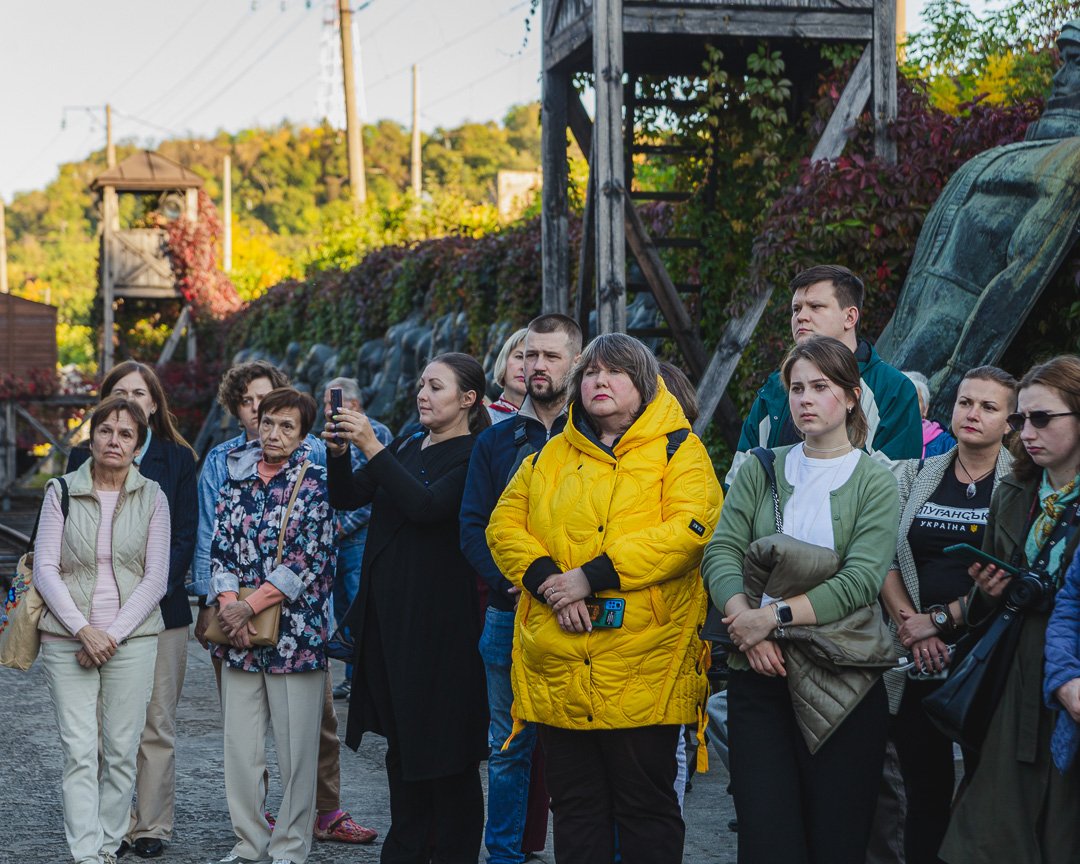
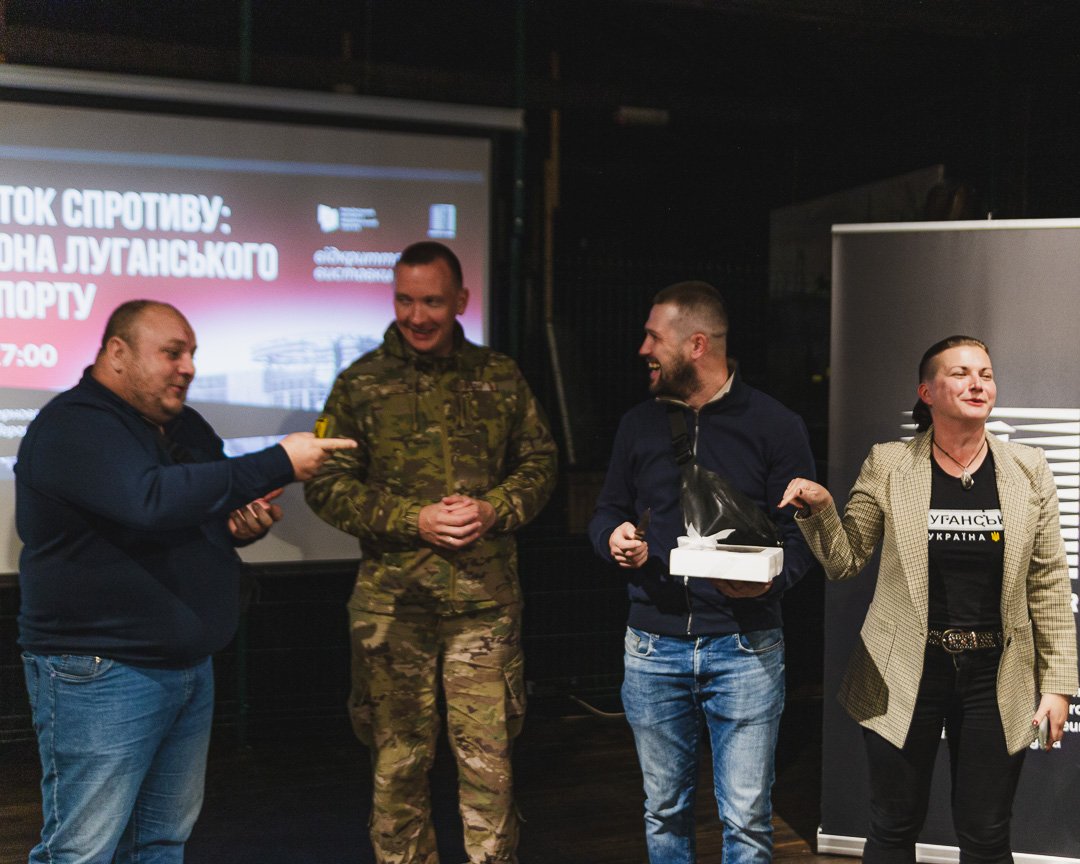
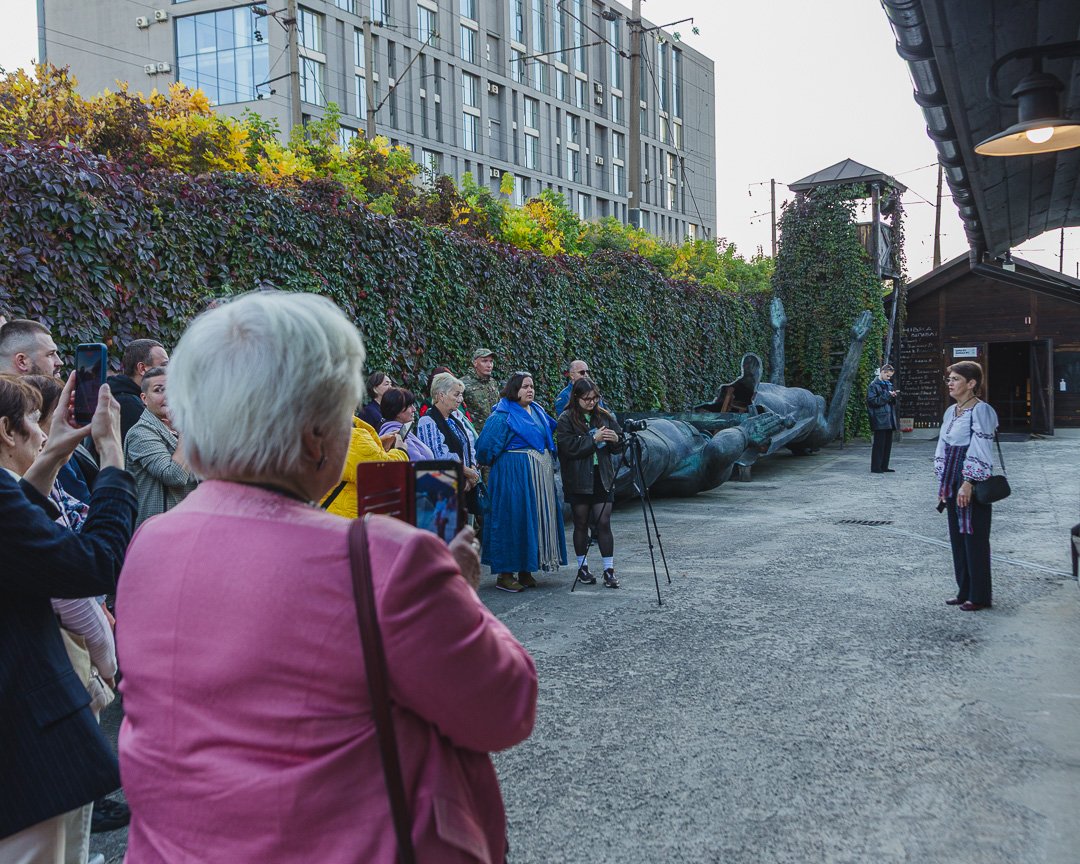
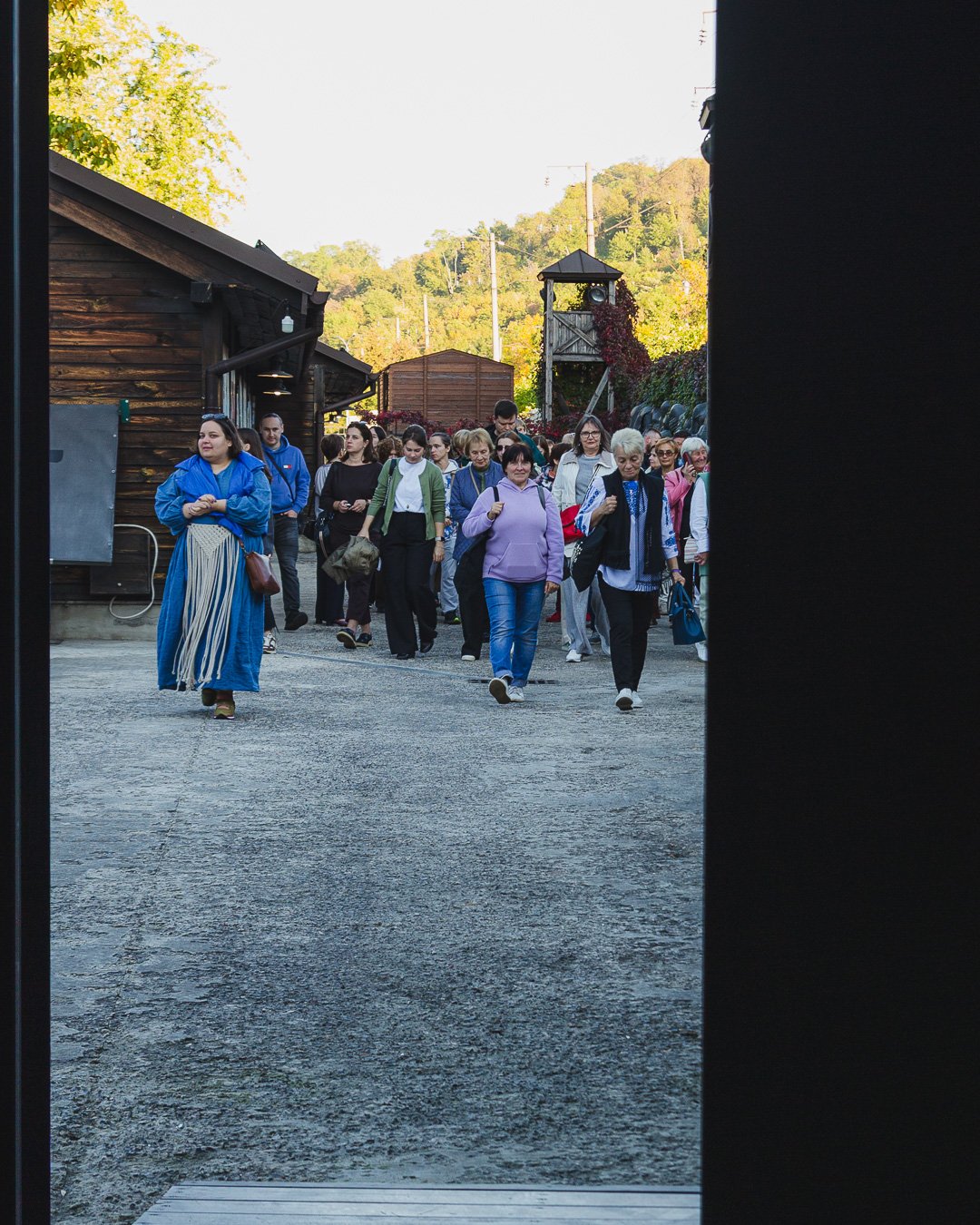
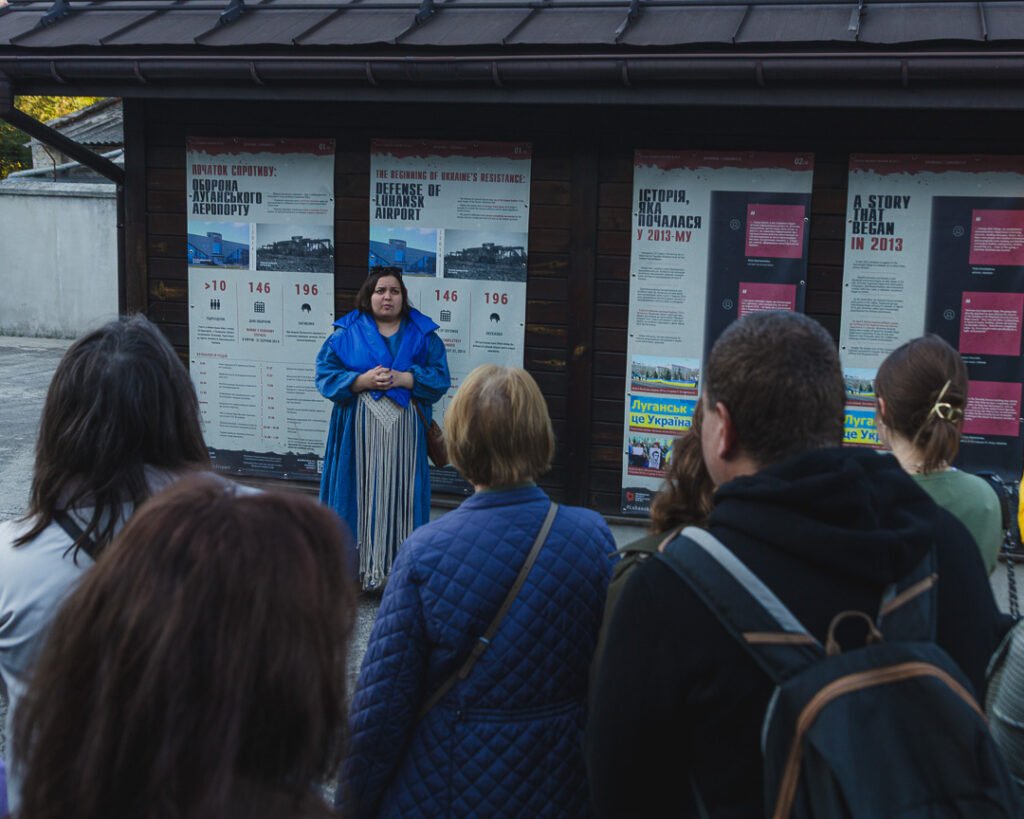
On 1 October 2026, Ukraine’s Defenders Day, the exhibition “The Beginning of Ukraine’s Resistance: Defense of Luhansk Airport” opened at the Territory of Terror department of the Museum of the History of Wars, Struggle and Resistance in Lviv. The event brought together defenders of the airport, families of fallen soldiers, authors of the documentary chronicle, members of the Luhansk community, museum professionals, educators and residents of Lviv.
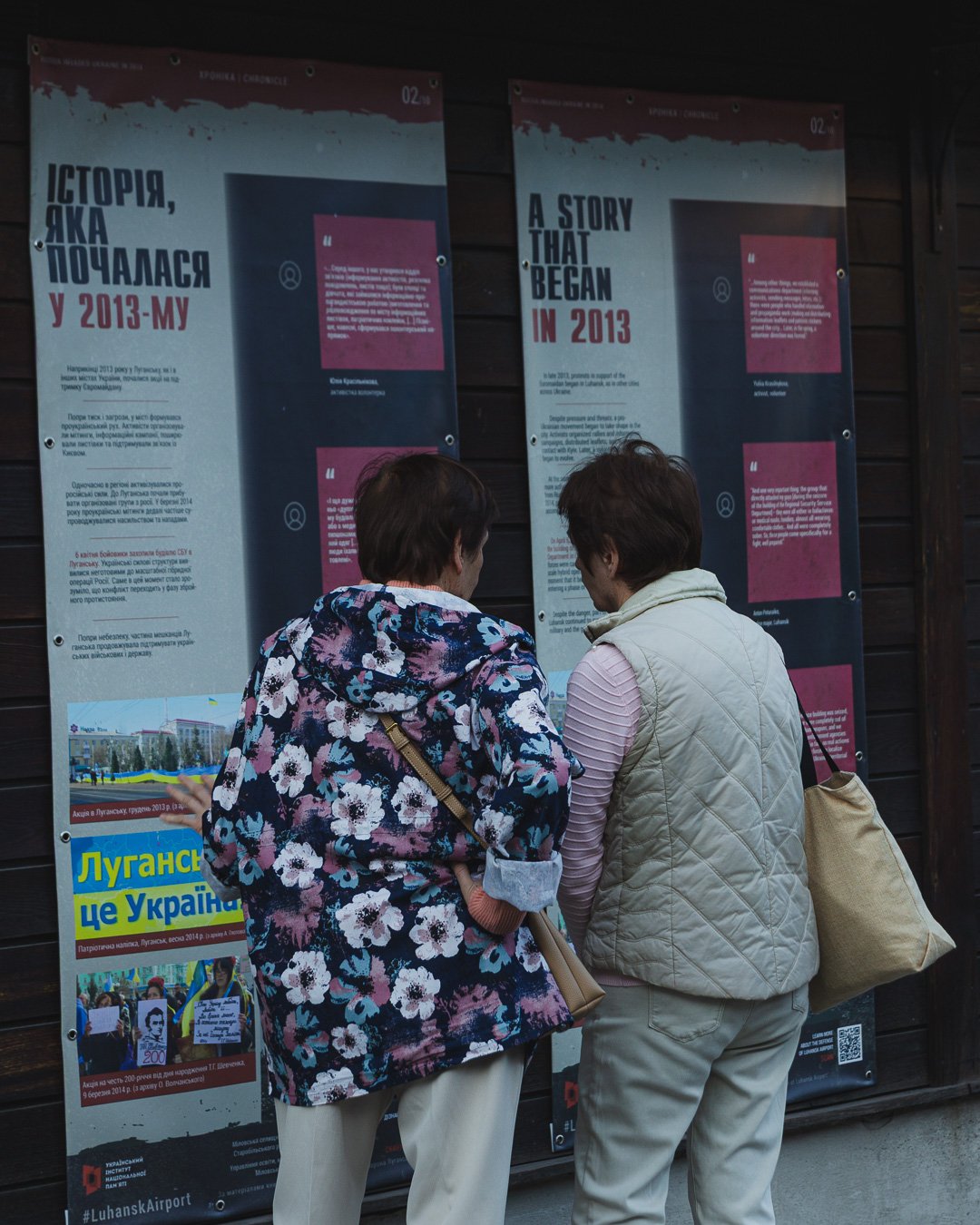
The exhibition tells the story of the 146-day defense of Luhansk Airport in 2014, one of the defining battles at the beginning of the Russo–Ukrainian War. Behind the military events are the people who held their positions, supported the Ukrainian armed forces, saved their fellow soldiers, and gave their lives for Ukraine.
This history has particular significance for the Lviv region. Servicemen of the 80th Brigade were among the airport’s first defenders. Their shared experience connected the east and west of the country long before that unity became part of everyday life for millions of Ukrainians.
While the enemy destroys bridges across rivers, gatherings like this help build others: between the past and the future, between people, and between the memory of what has been endured and responsibility for what comes next.
Preserving History as It Unfolds
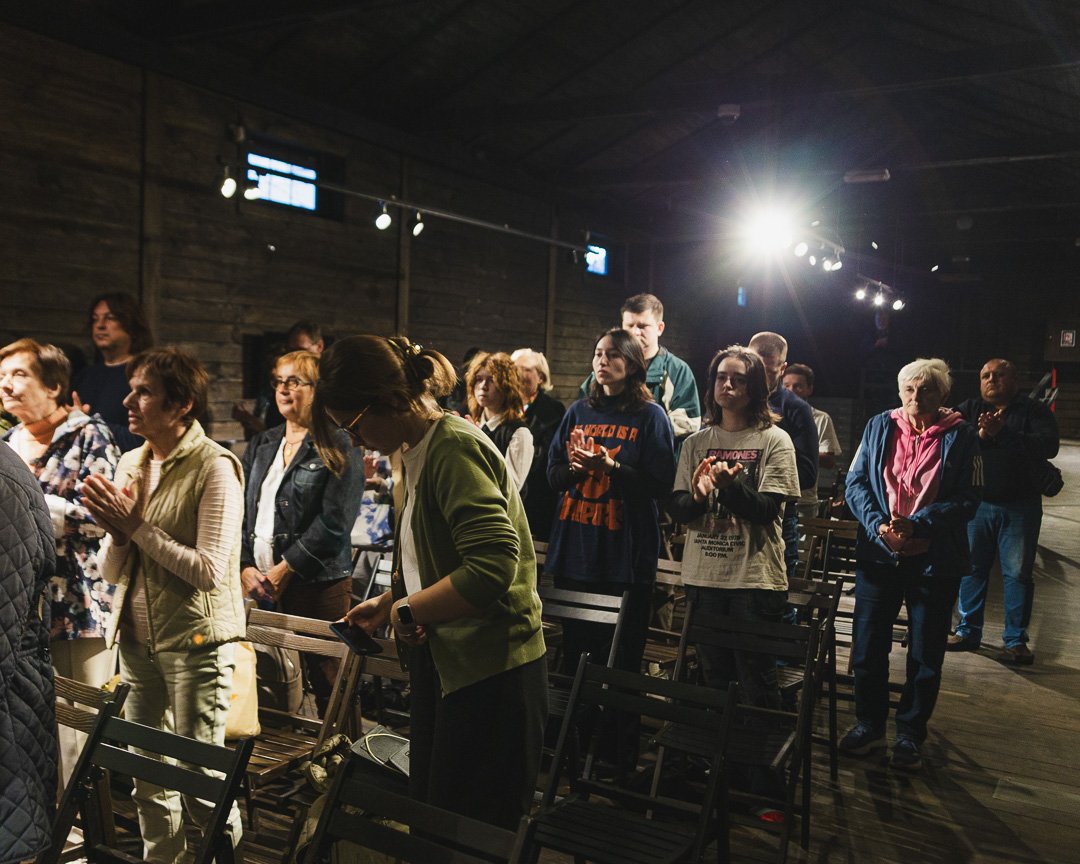
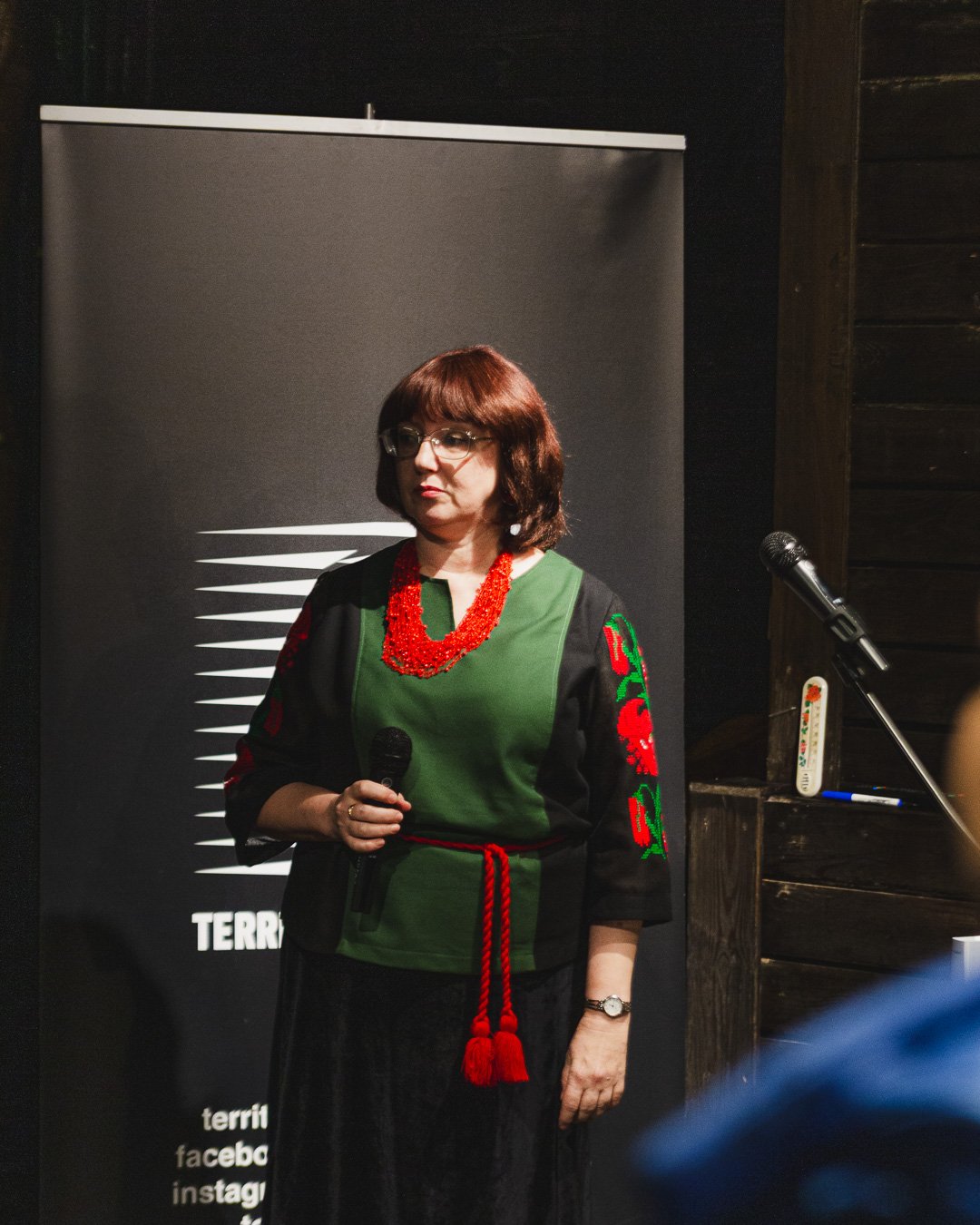
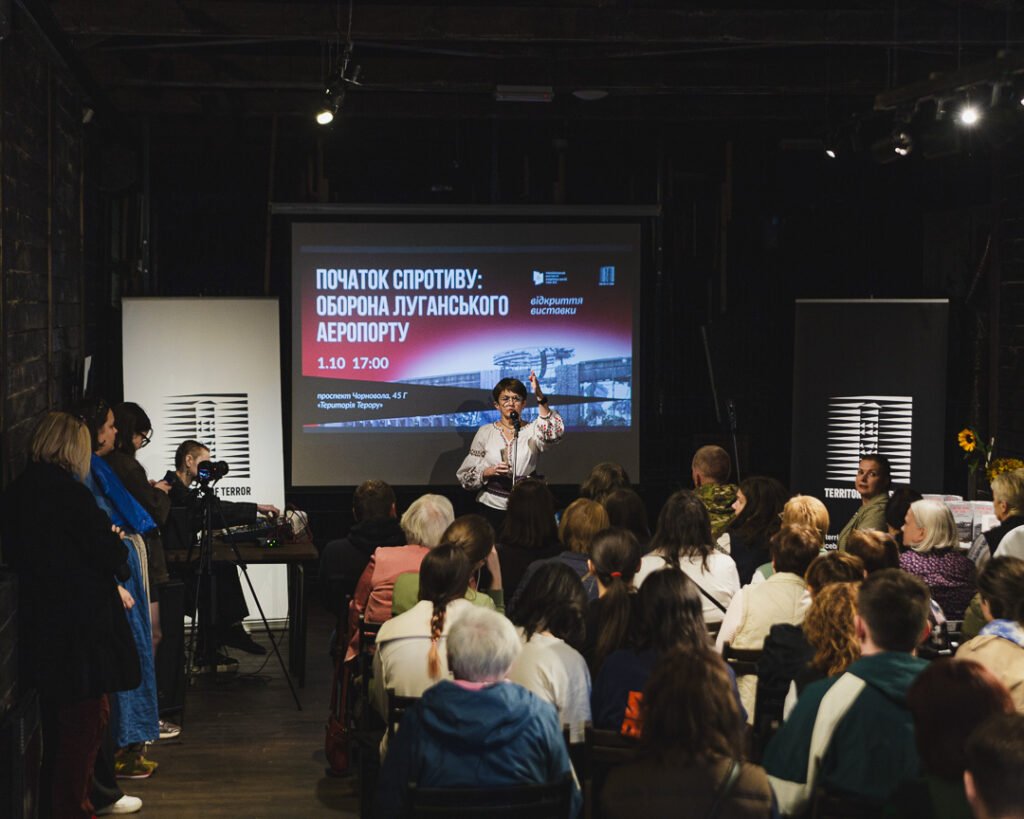
The opening began with an address by the museum’s director, Olha Honchar, who invited those present to observe a minute of silence in memory of the men and women who had died defending Ukraine.
In her opening remarks, she identified three important responsibilities for museums: documenting the war now, telling Ukraine’s history through Ukrainian voices, and preserving the heritage of the Luhansk region, much of which is under occupation.
Museums usually interpret historical events with the benefit of some distance in time. Ukrainian museum professionals are working in the midst of a war that is still ongoing. Waiting for it to end would risk losing testimonies, photographs, documents and objects. This exhibition therefore contributes both to the conversation taking place today and to future research and museum displays.
Singer Liudmyla Veres provided the musical part of the opening. Her live singing encouraged those present to join in and brought a special warmth to the gathering.
The Defenders’ Voices Come First
The event was moderated by Oleksandra Liashenko, coordinator of the translation and preparation of the English-language edition of In the Ring of Fire: Defense of Luhansk Airport, and co-organizer of the Lviv opening and the project’s exhibition and educational activities. Her work includes preparing and hosting public events, collaborating with partners, and sharing the history of the airport’s defense in Ukraine and abroad.
In her address, she emphasized the central purpose of this collective effort: to preserve the voices of defenders and eyewitnesses and ensure that they are heard around the world. For this reason, the defenders of Luhansk Airport were the first invited participants to speak.
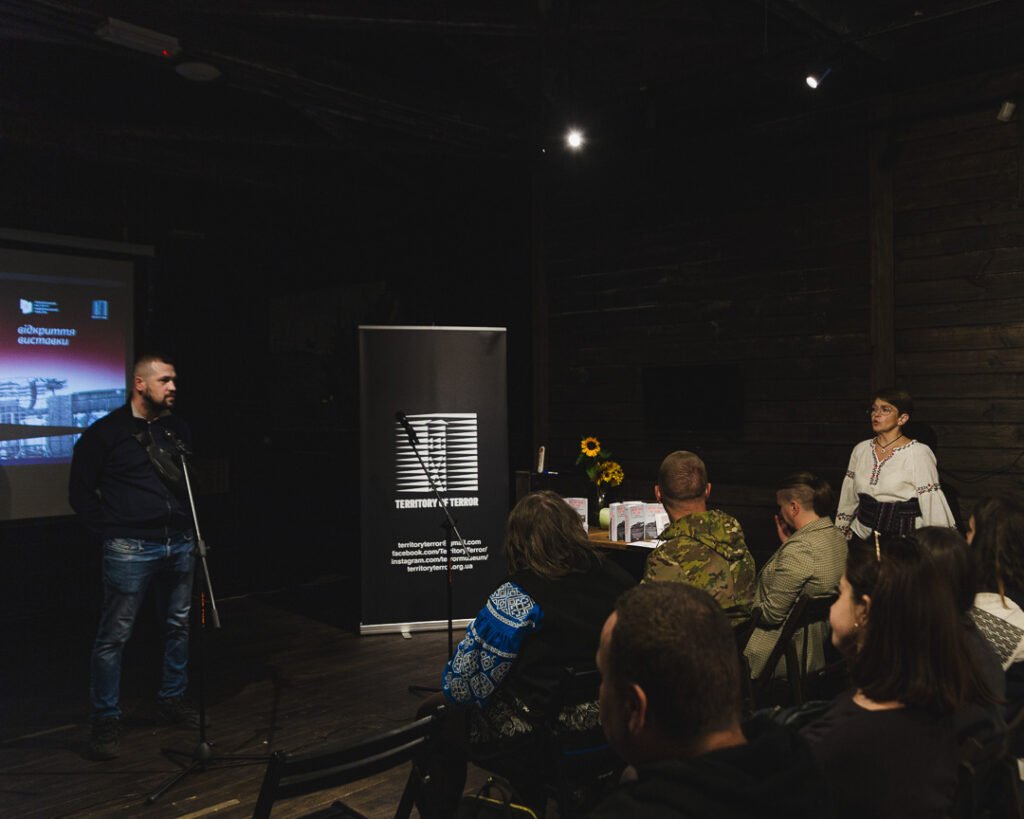
Yevhenii Balan, a medic by training, described the conditions in which Ukrainian soldiers faced the war in 2014: the lack of adequate medical supplies, the need to learn as they went, and the shared responsibility to do a soldier’s work regardless of their specialty.
His recollection of the final days of the defense was particularly striking. As fighting raged at the airport, there was almost no information about it in the public domain. A terrible question arose: if they were all killed, who would know what had happened there?
The book, the exhibition and the recorded testimonies have become an answer to that question. Yevhenii concluded by thanking those defending Ukraine today and reminding everyone of their duty to support them.
The second speaker was Oleksii Stafiniak, a resident of Peremozhne, a village near the airport. In 2014, he approached the Ukrainian soldiers as a civilian, helped them, and later joined the 80th Brigade.
He spoke about his first encounter with his country’s army, the young men who became warriors before his eyes, and the trust and responsibility involved in serving as a local guide. His greatest source of pride was that the soldiers he led through familiar terrain returned safe and uninjured.
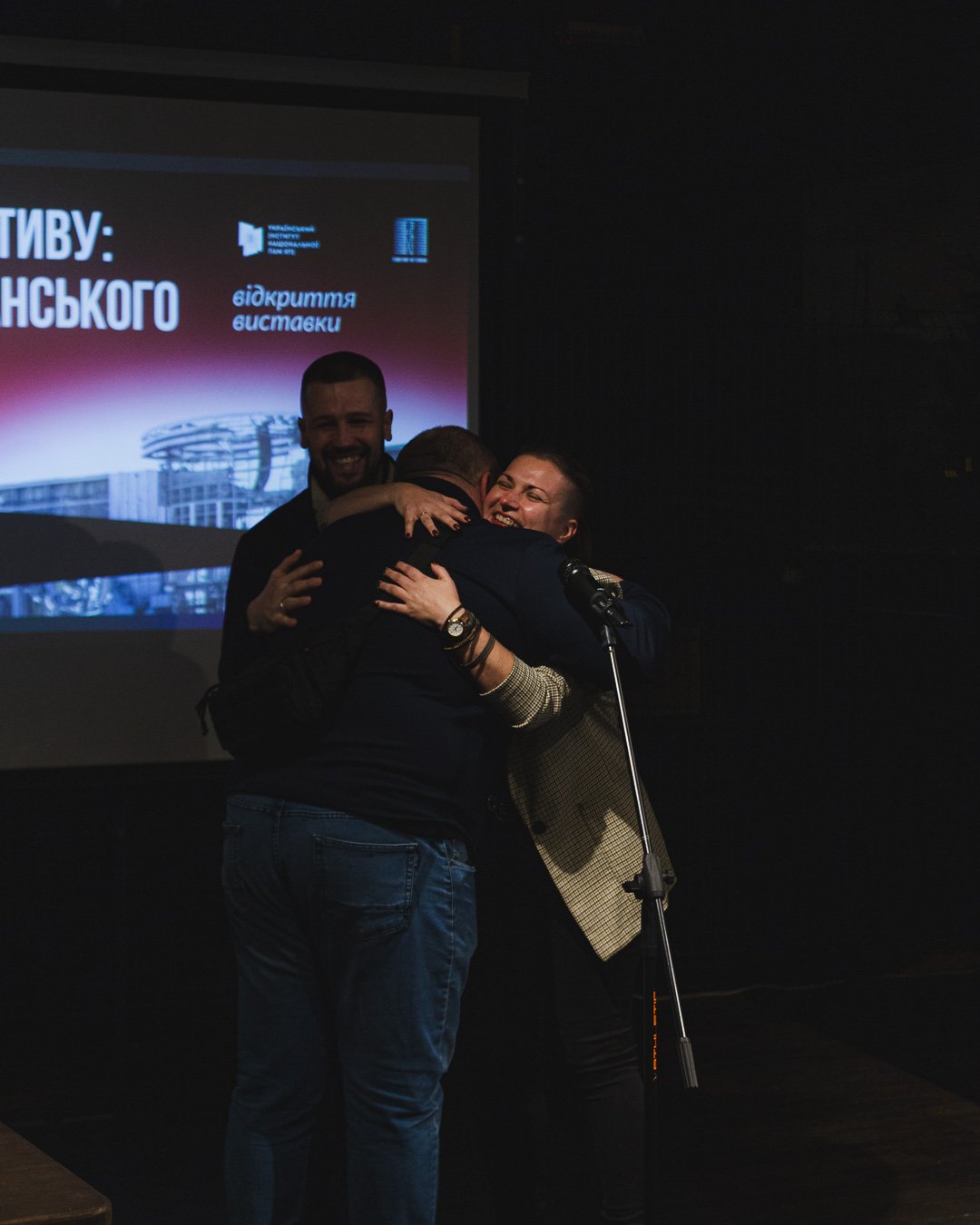
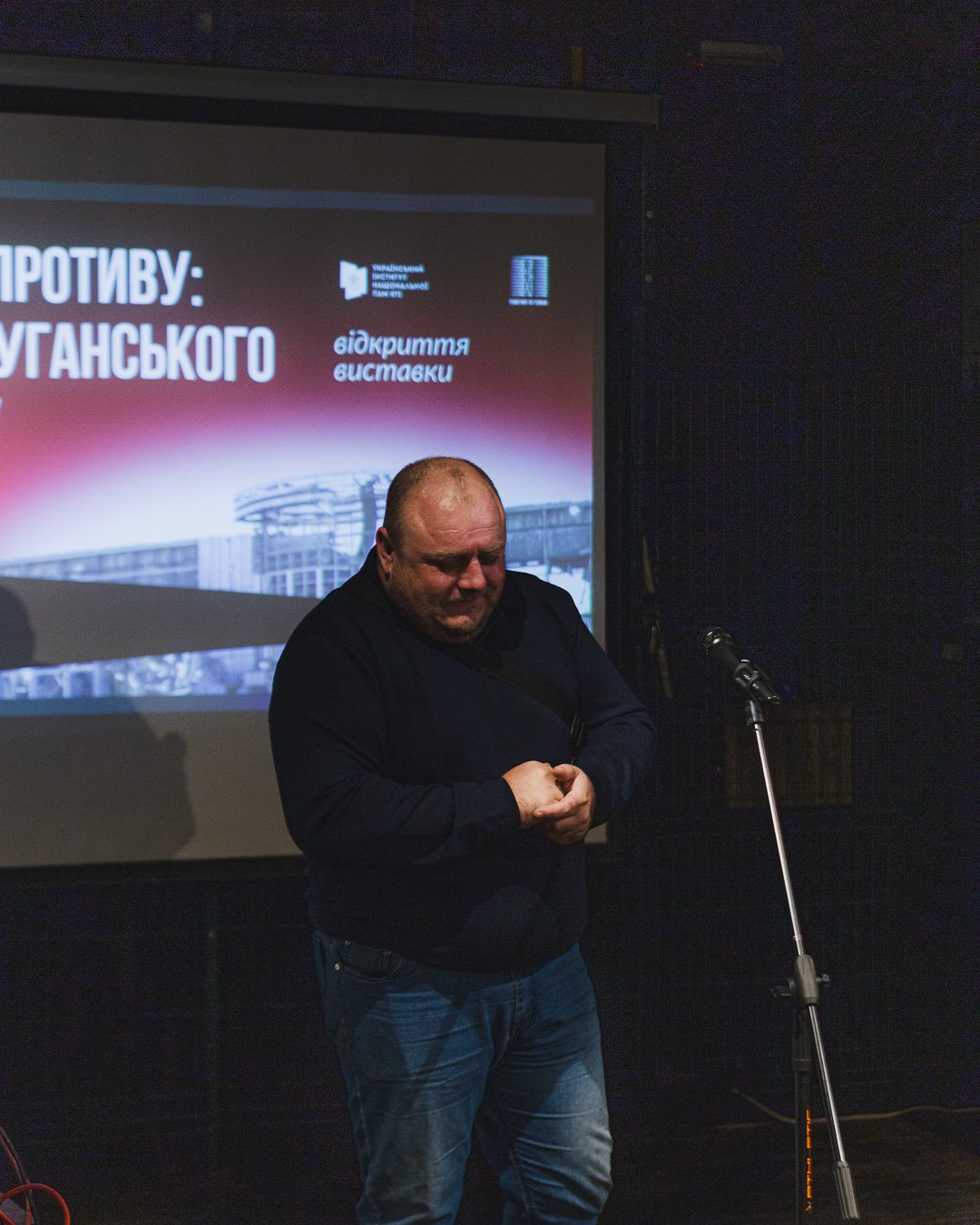
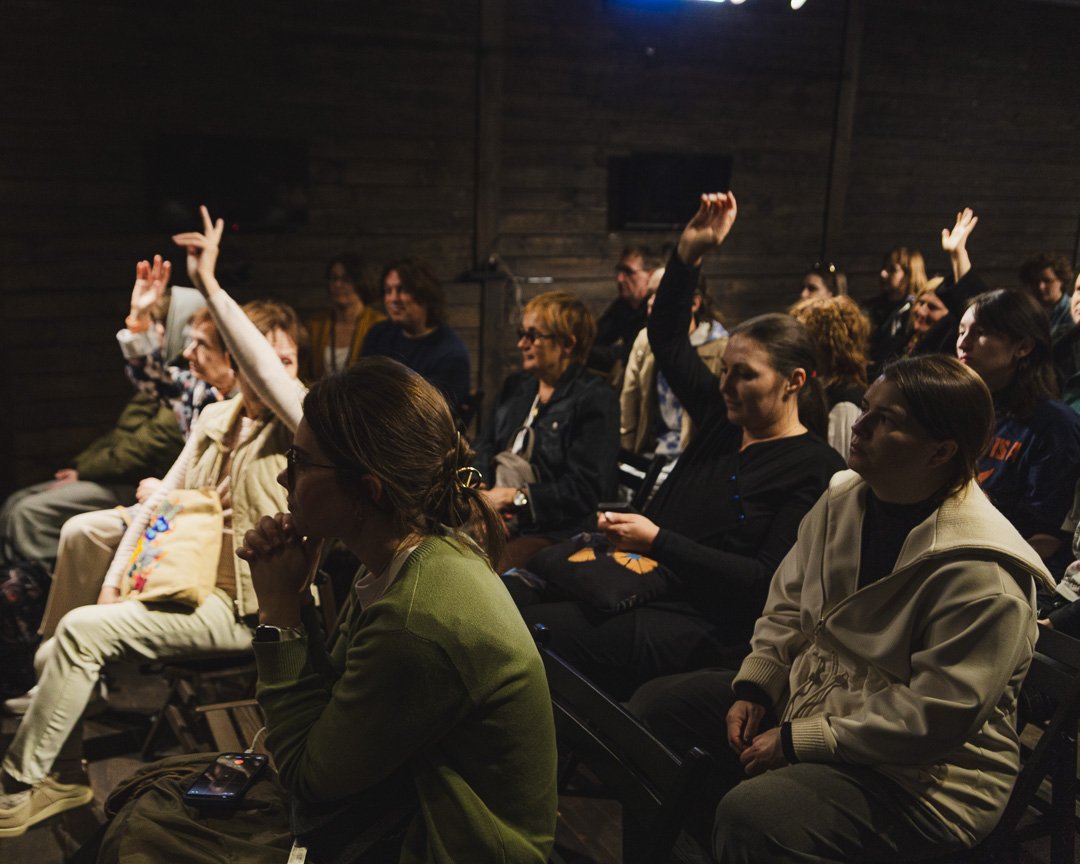
When the moderator asked whether he could have chosen the other side, Oleksii rejected the very premise of such a choice: Ukraine was his country, and the Ukrainian armed forces were his army. The audience responded with loud applause.
His account also touched on the historical memory of Peremozhne, a village home to families resettled from western Ukraine. That experience helped sustain their Ukrainian identity and understanding of their own history despite Russian propaganda.
From Testimonies to a Book and a Wider Conversation
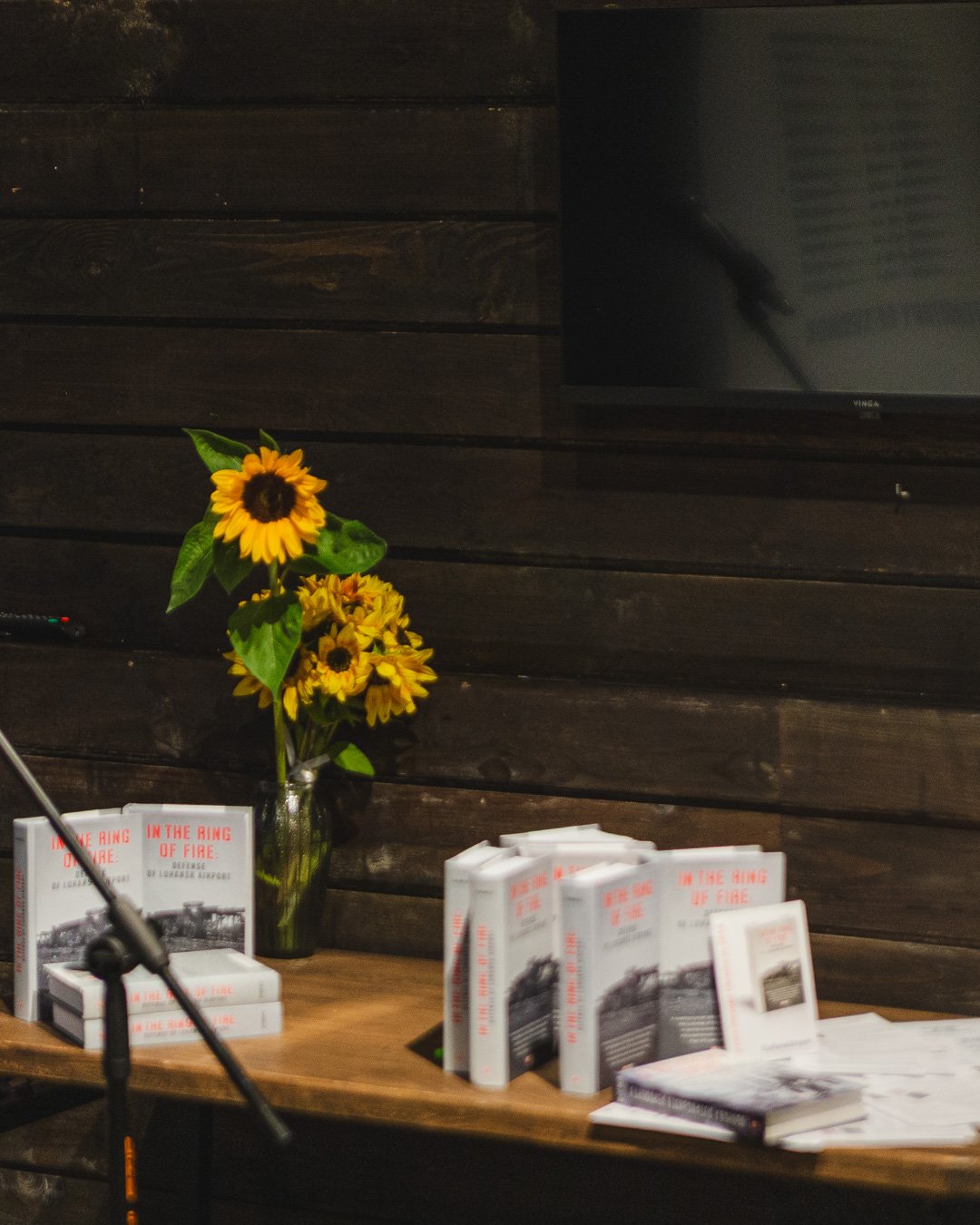
Serhii Hlotov explained how the idea for the documentary chronicle In the Ring of Fire: Defense of Luhansk Airport emerged. It grew out of the realization that very few Ukrainian accounts of the airport’s defense were available, while Russian versions of events dominated the information space.
The team collected accounts from military personnel of different ranks, volunteers and local residents. Some interviews were recorded in Pisky, where defenders of Luhansk Airport had arrived to carry out new assignments. The guiding principle was to preserve the experience of those directly involved and make room for voices often absent from official accounts of war.
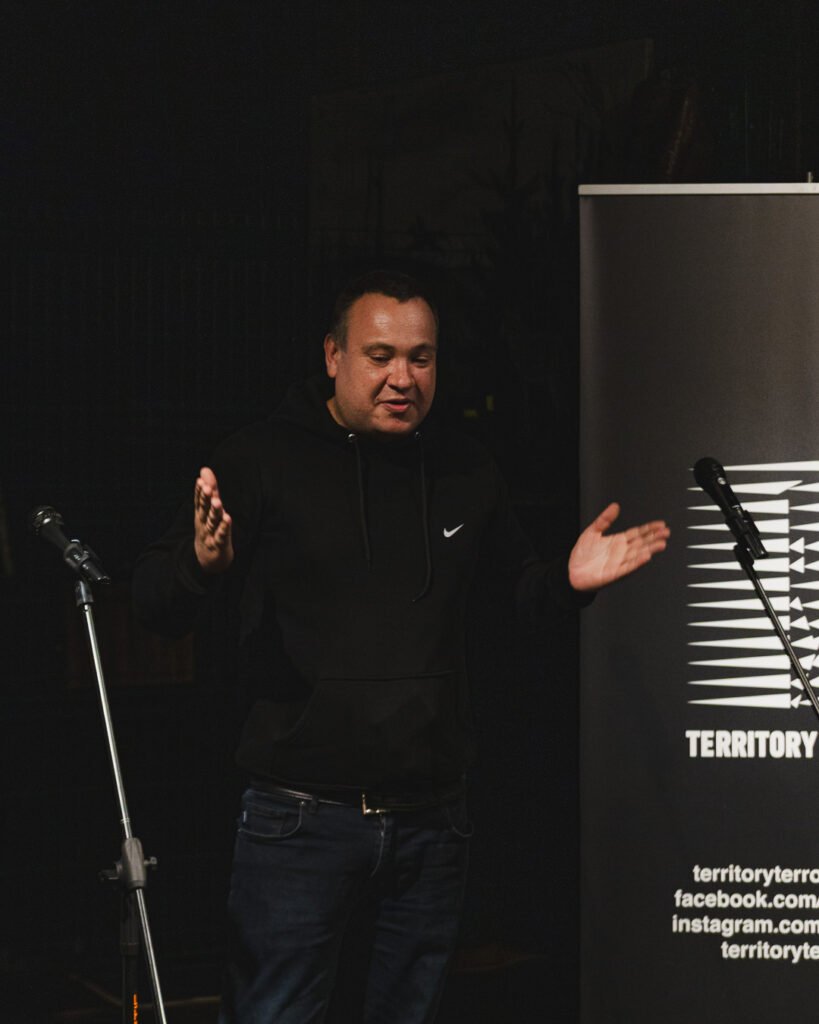
Anastasiia Hlotova explained how the English-language edition expanded the reach of this work. The Ukrainian book became a memorial built from testimonies; the English edition also became a means of international communication, helping readers abroad understand the beginnings of Russian aggression and Ukrainian resistance.
The event also featured an excerpt from a video address by Andrea, an editor of the English-language text, who described how working on the book had changed her understanding of this history.
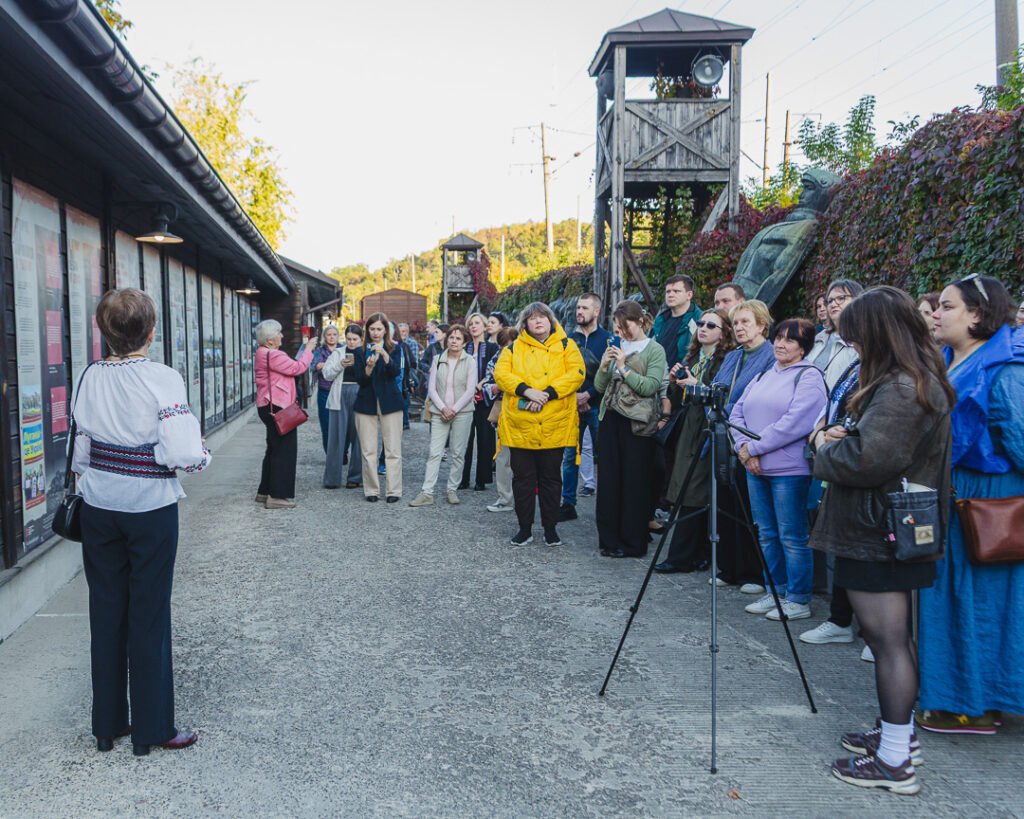
Anastasiia also announced plans to hold guided tours and meetings at the exhibition throughout October, together with defenders of the airport. The ten exhibition panels offer a concise account of events, while direct conversation provides a deeper understanding of what happened and its human dimension.
Remembrance That Inspires Action
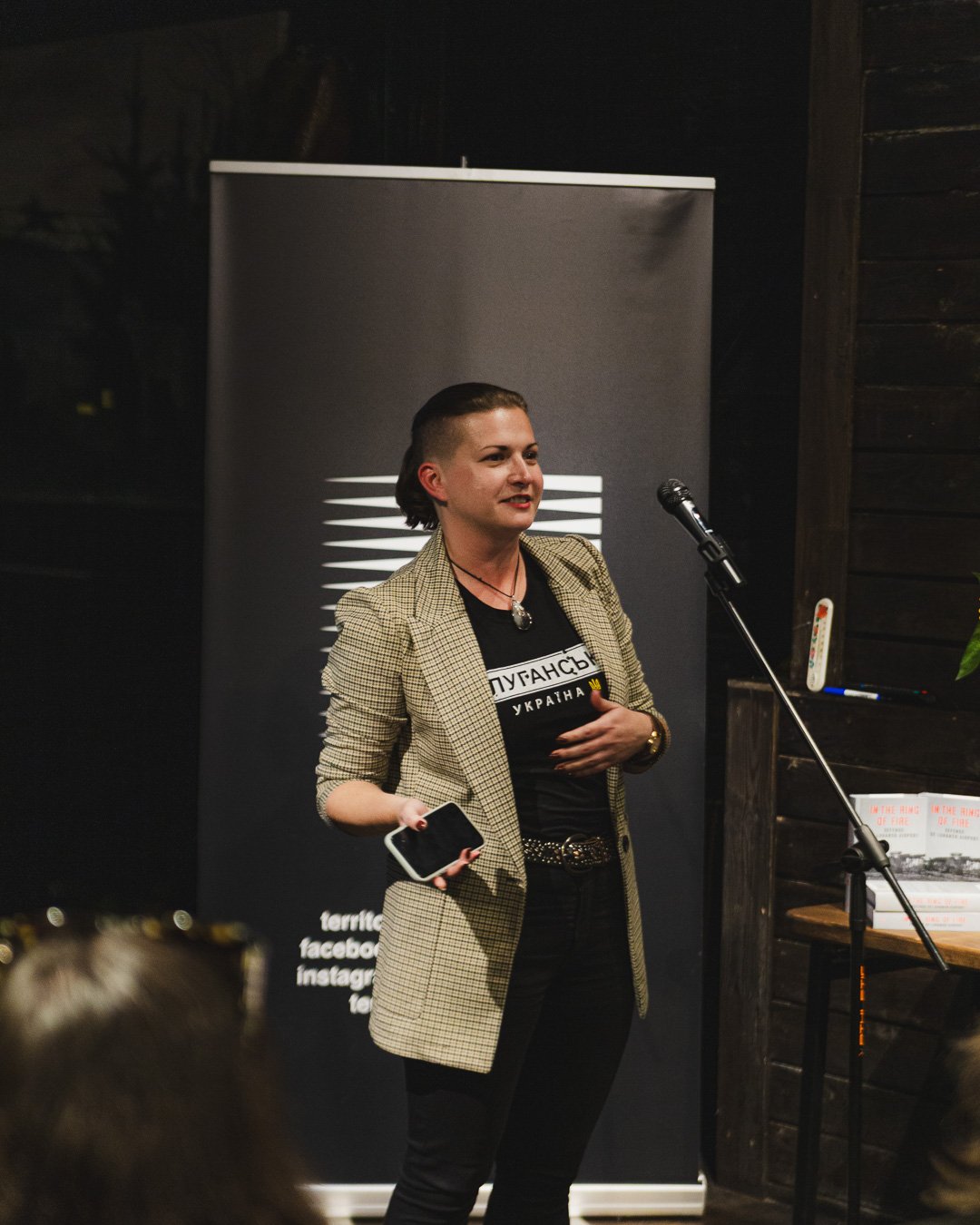
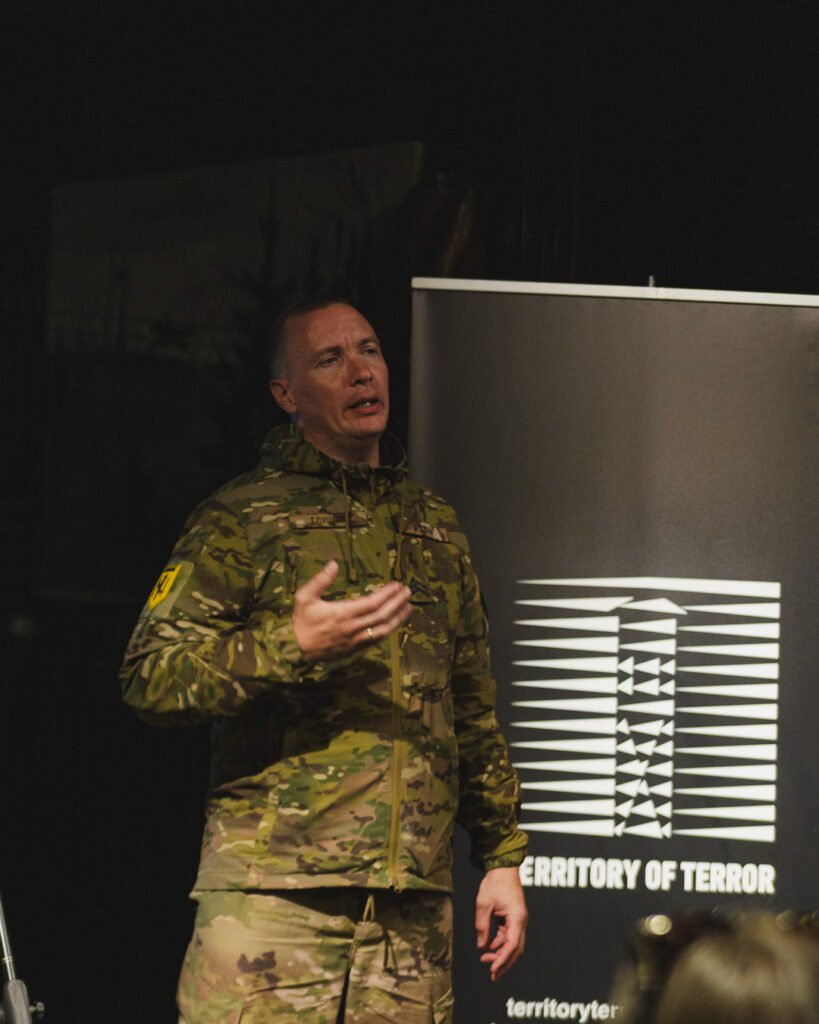
Anton Hlushko, a seventh-generation native of Luhansk and a serviceman of the Azov Brigade who supported the preparation of both the Ukrainian and English editions of the book, also addressed the gathering.
His speech connected his family’s personal history with a reminder of our responsibilities today. Remembering the defenders’ courage must lead to practical action: assisting the armed forces, volunteering, donating blood, and supporting those who are holding the line now.
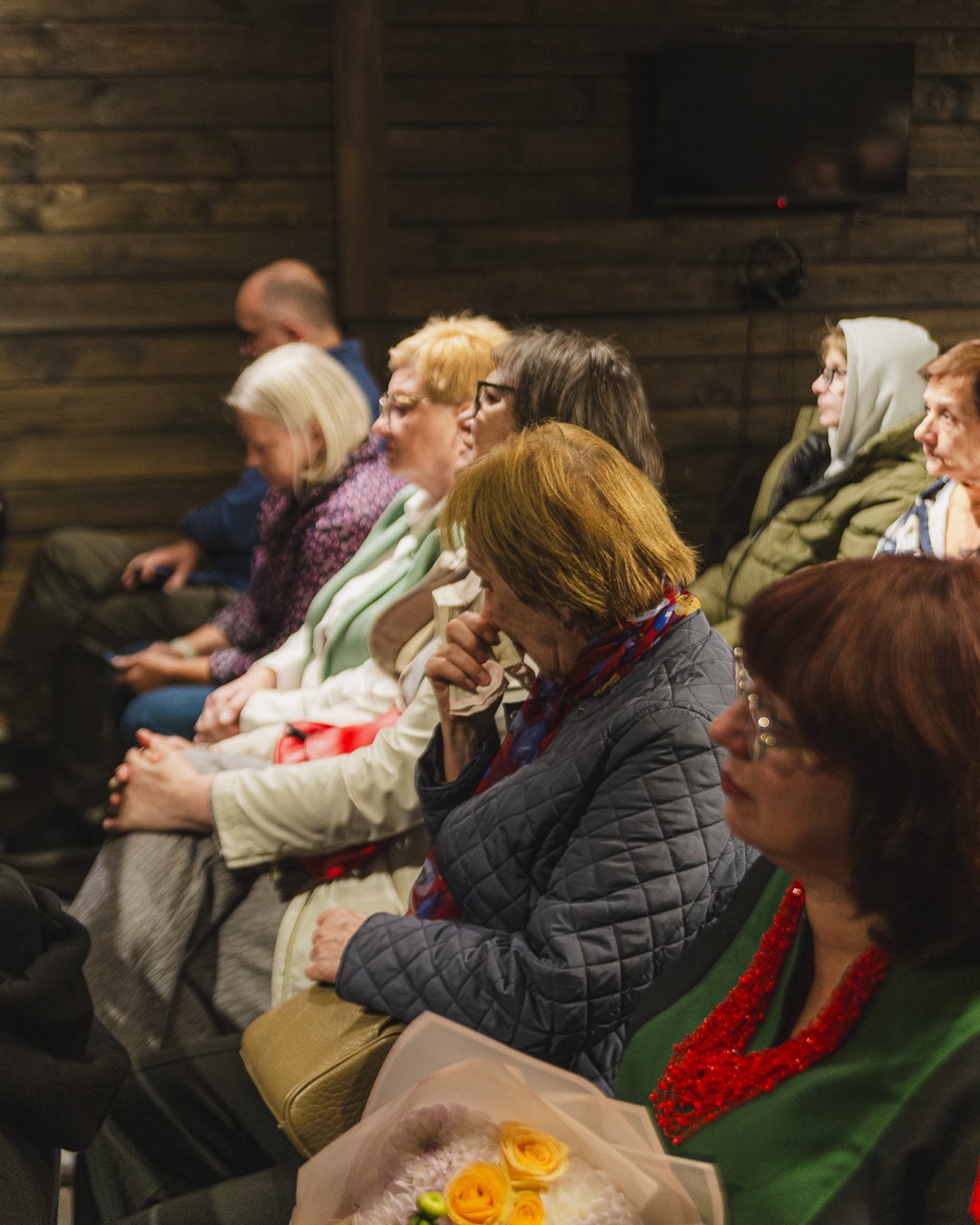
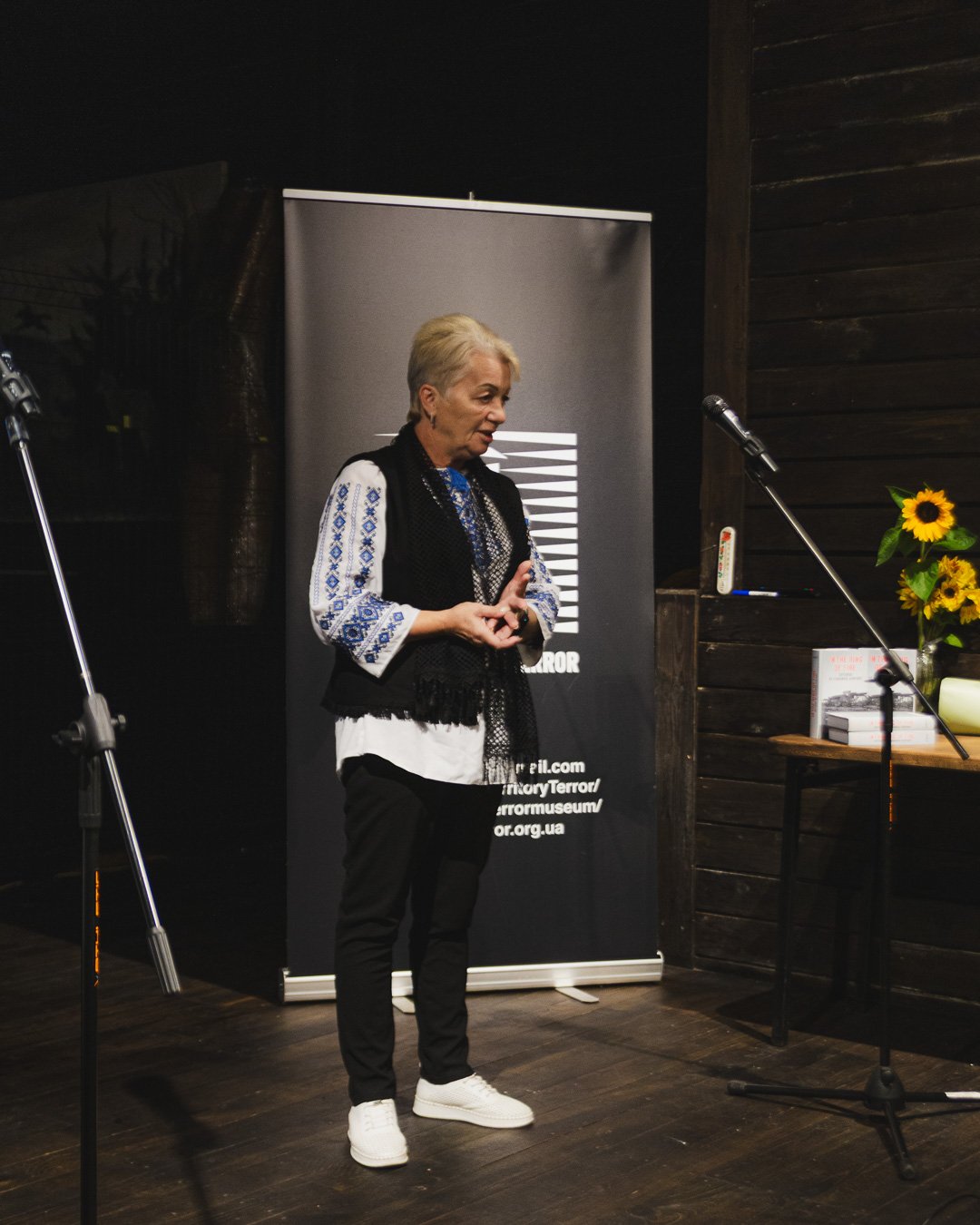
One of the most moving moments was the testimony of Olha, the mother of Ivan Pavlyshyn, a serviceman of the 24th Brigade who took part in the defense of Luhansk Airport and was killed in December 2022. She recalled his determination to serve, his love for Ukraine and his devotion to his fellow soldiers. Her words brought home the continuity of this war and the experience of families for whom remembrance keeps their loved ones present in daily life.
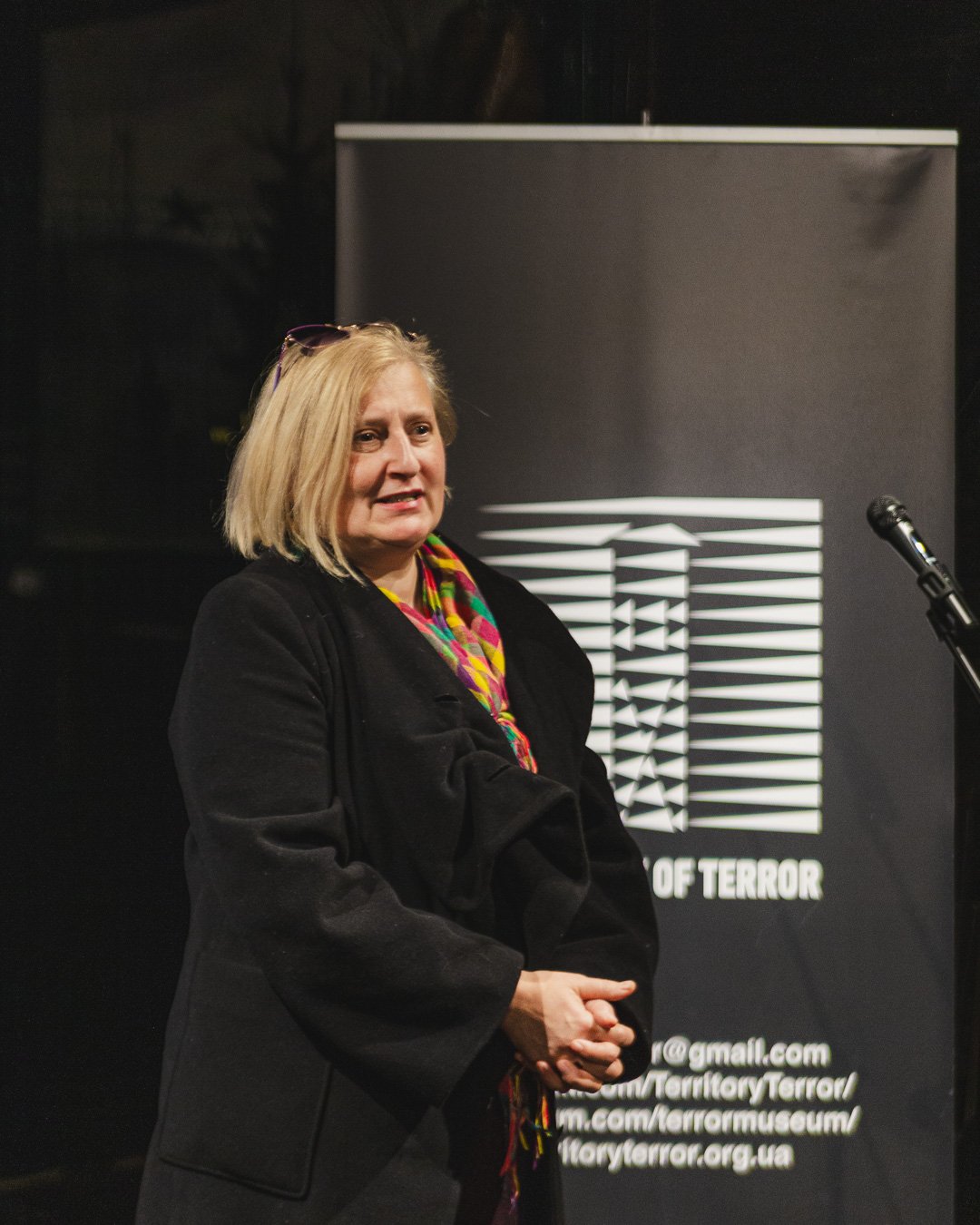
Towards the end of the event, Olesya Datsko, a Doctor of Economic Sciences who helped bring the project’s participants together and supported its development, spoke to the audience. She recalled an international project on women’s migration in which the Ukrainian book about the airport’s defense became an object carrying a personal story. Questions from international participants about how they could read it gave further impetus to the English-language edition.
Olesya described the book as a chronicle based on firsthand testimonies and the exhibition as its visual continuation. She highlighted the scale of the work undertaken by Oleksandra Liashenko and the Hlotov family and encouraged people to share the book, donate copies to libraries and give it to friends abroad, so that Ukrainian history could be understood through Ukrainian testimonies.
A Gathering That Continued Beyond the Programme
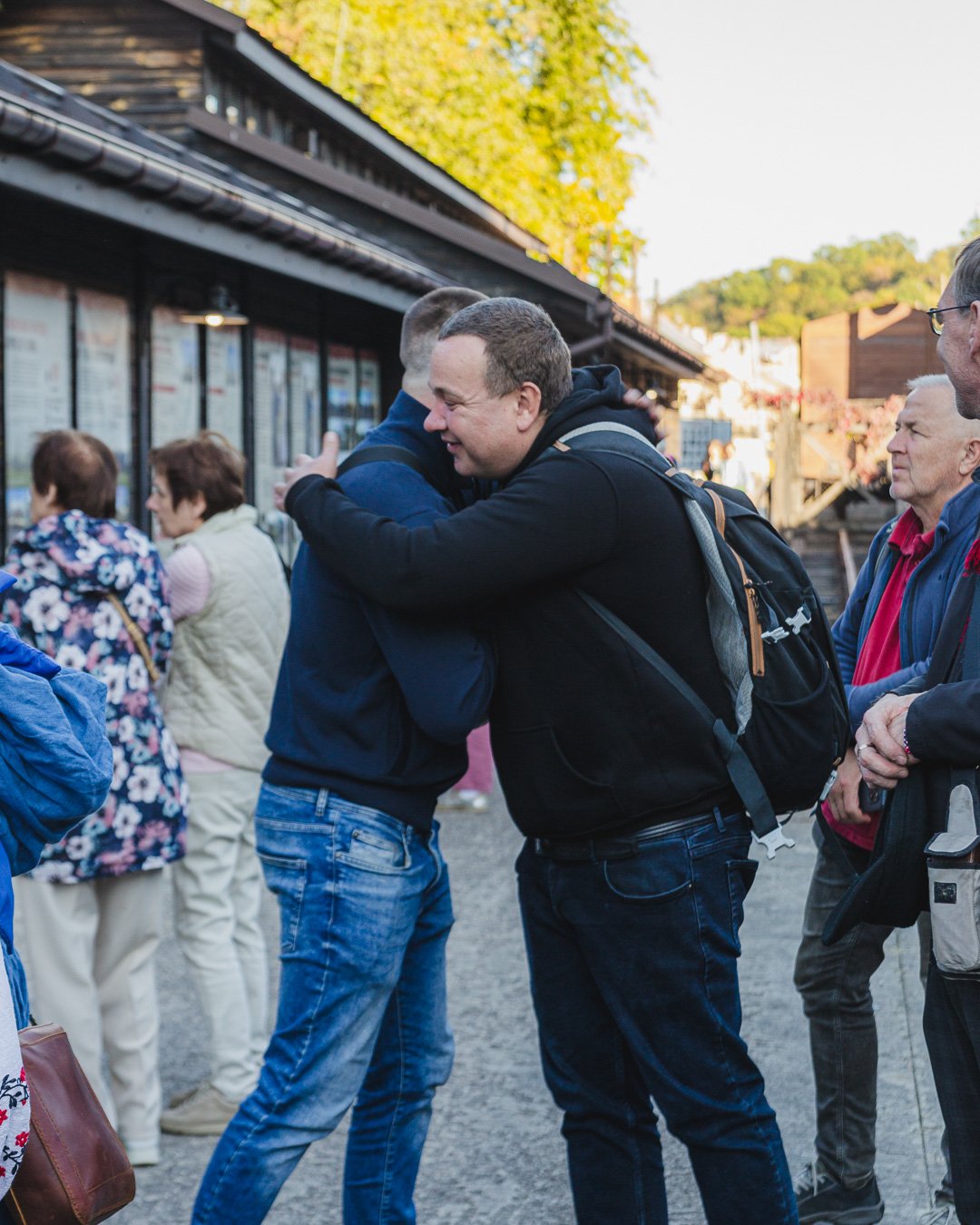
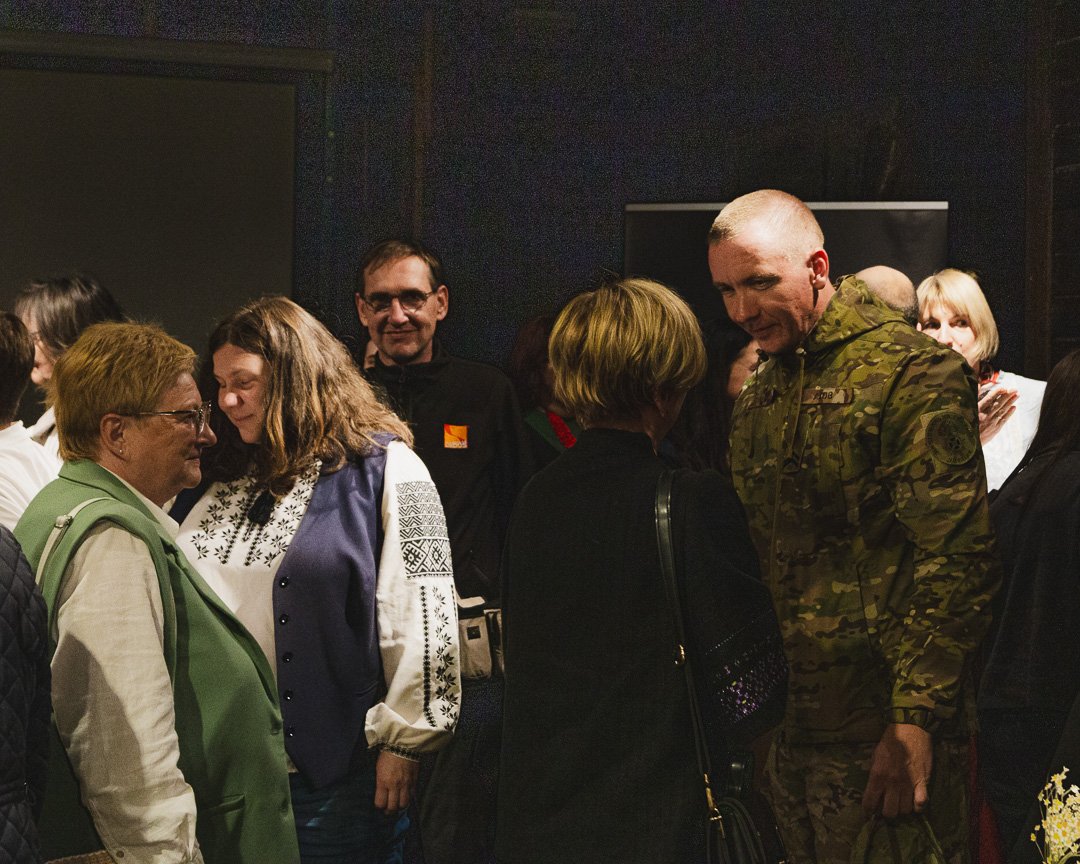
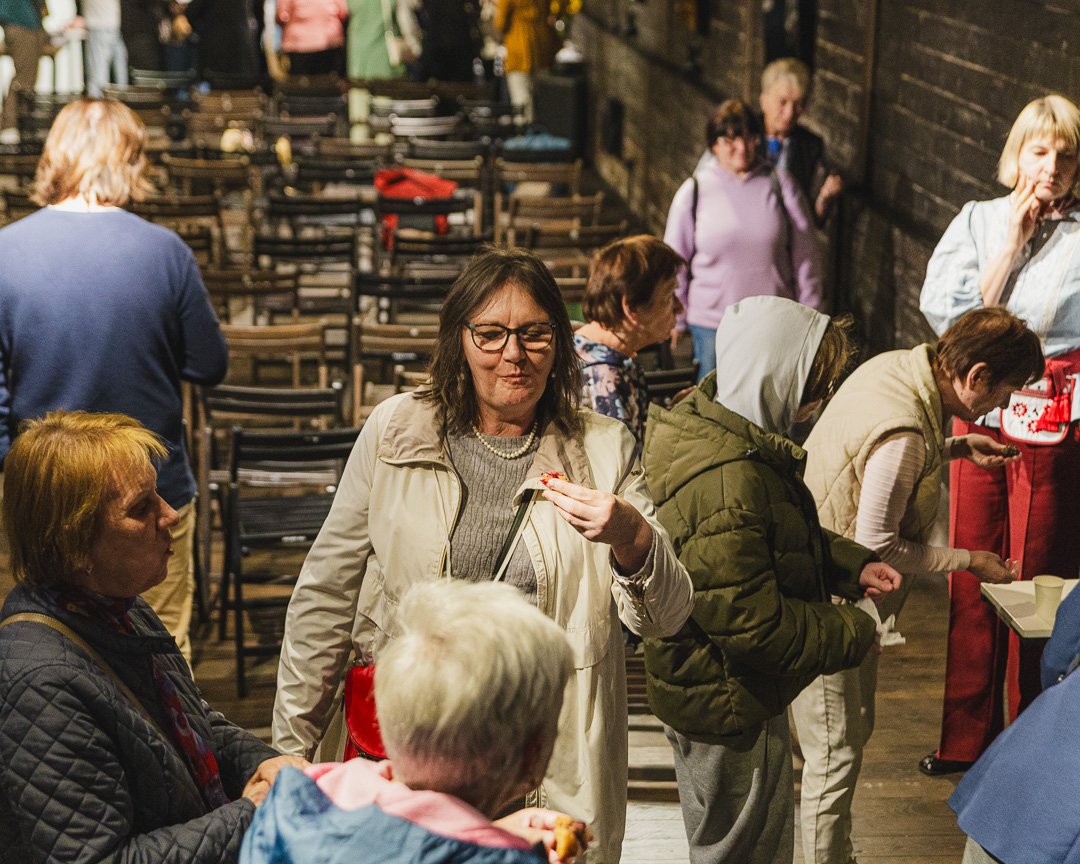
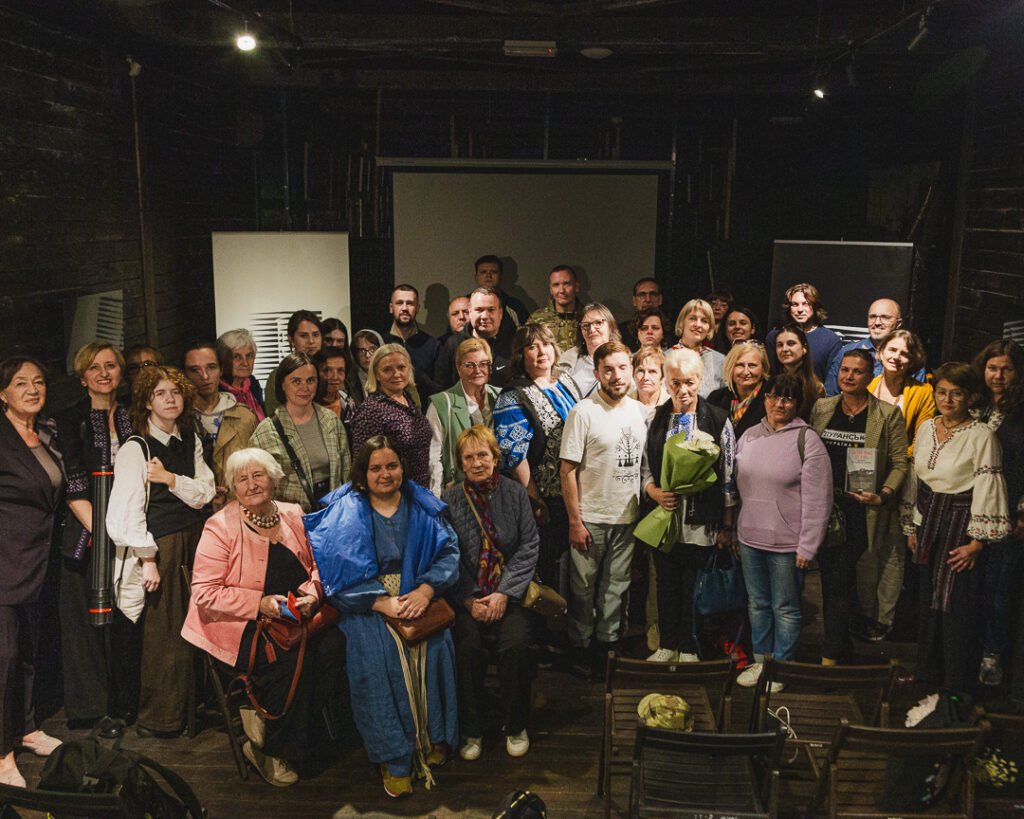
More people attended than expected, and additional chairs had to be brought into Barrack No. 2. After the formal programme ended, the conversation continued: participants shared memories, expressed their gratitude, spoke about their experiences and simply stayed together.
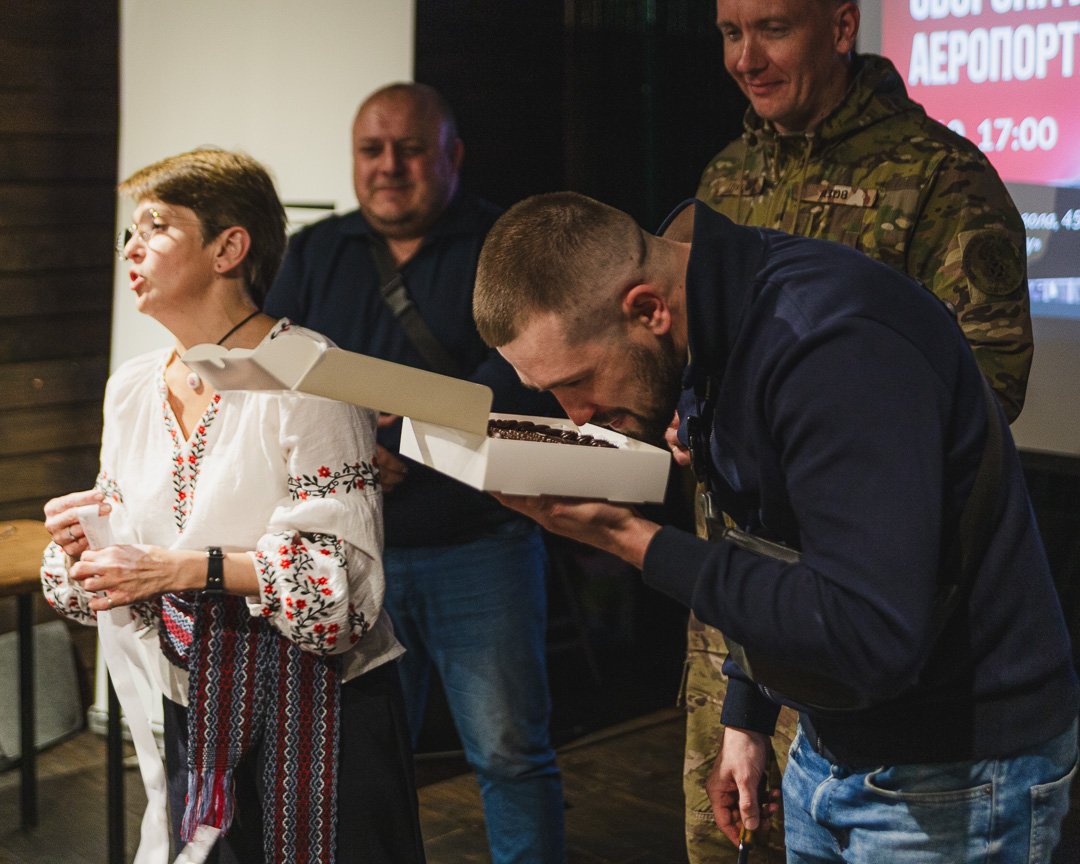
Even the refreshments became a bridge between regions. A Shakhtarskyi (“Miner’s”) cake dedicated to the defenders of Luhansk Airport and a traditional Lviv cake made by Lina Polykhata brought the flavors of eastern and western Ukraine to the gathering.
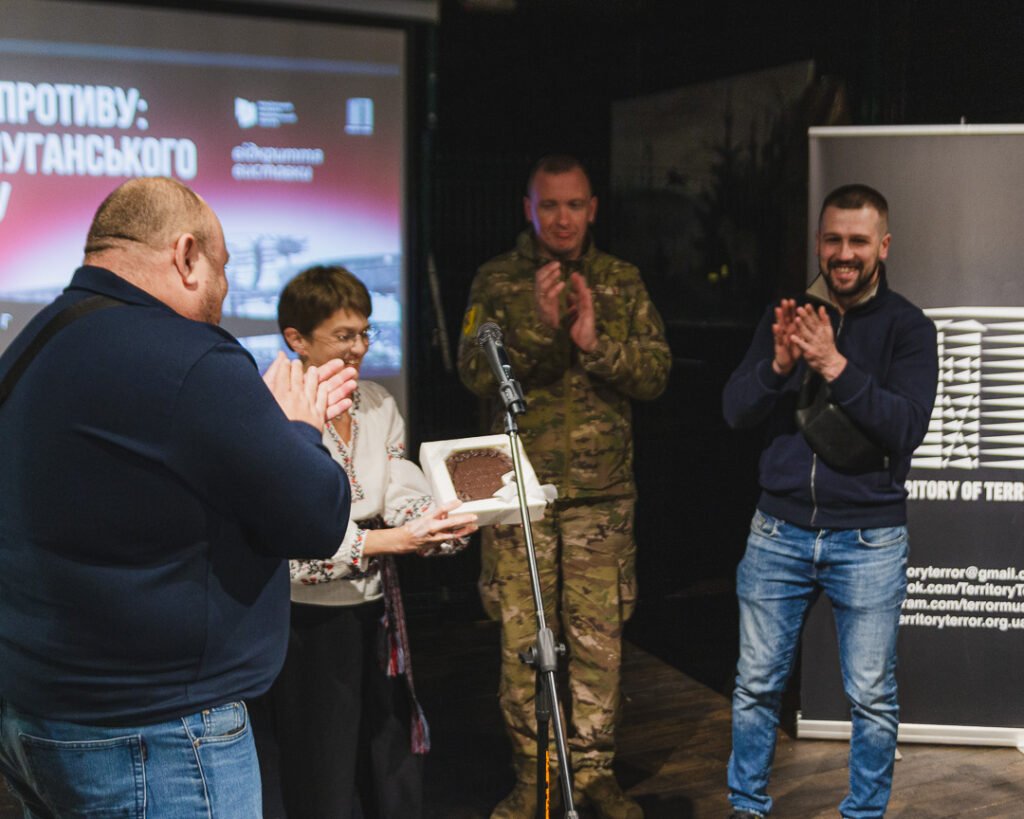
Heartfelt thanks go to the defenders of Luhansk Airport and the families of fallen soldiers; the teams of the Museum of the History of Wars, Struggle and Resistance and the Ukrainian Institute of National Remembrance; museum director Olha Honchar; the museum’s management and staff; and Olha Mul for her organizational assistance. We also thank everyone who worked on the book, its translation, the exhibition and its visual design, contributed photographs and documents, helped organize the opening, and came to support the participants.
The evening showed how a culture of remembrance develops through shared work, attentive listening and a willingness to pass on what has been heard. The history of the defense of Luhansk Airport continues to be told through books, exhibitions, personal testimonies and new gatherings.
Luhansk is Ukraine. And Ukraine is Luhansk.
Full recording of the exhibition opening: Watch on YouTube
Photos by Roman Tsifriak